1.3 million flights, including 83,519 military flights, are controlled annually in Swiss airspace, making it one of the most heavily used airspaces in Europe due to its intermediary function. Skyguide is now being restructured. The first measure: the management board will be reduced from nine to five members.
 P. Merz. Photo: Skyguide
Swiss air traffic control employs 1,464 people (full-time equivalents) and generates CHF 524 million in revenue, primarily from fees; the government in Bern contributes CHF 56.7 million. Last year, the company incurred a loss of CHF 12.4 million. However, there has also been considerable criticism of its lack of efficiency. The planned reduction in staff is scheduled to take effect on January 1, 2027, and is intended to make air traffic control "more efficient, simpler, and more focused on its core business" .
At the behest of the Federal Department of the Environment, Transport, Energy and Communications (DETEC)
With the smaller management team, Skyguide, at the behest of the Department of Environment, Transport, Energy and Communications (DETEC) in Bern, will in future consolidate operational responsibility in the areas of operations, technology and safety, "in order to better manage air traffic over Switzerland and in border regions in a more effective manner" .
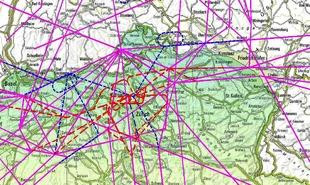
Skyguide is responsible for the sovereignty of the airspace entrusted to it, for both military and civil aviation. The restructuring is the first concrete step within the framework of the ongoing efficiency program, through which Skyguide aims to reduce complexity and use its resources more effectively in the future.
«Clear decisions»
“The structure of our management reflects what matters to us: We focus on our core business, work efficiently, and make clear decisions. This strengthens safety in air traffic and ensures short lines of communication within the company”says CEO Peter Merz. Skyguide is also creating the position of Chief of Staff.

The plan is to streamline areas such as corporate communications, the legal department, and business development. Management structures, regulatory responsibilities, and day-to-day operations will remain unchanged until the beginning of 2027.